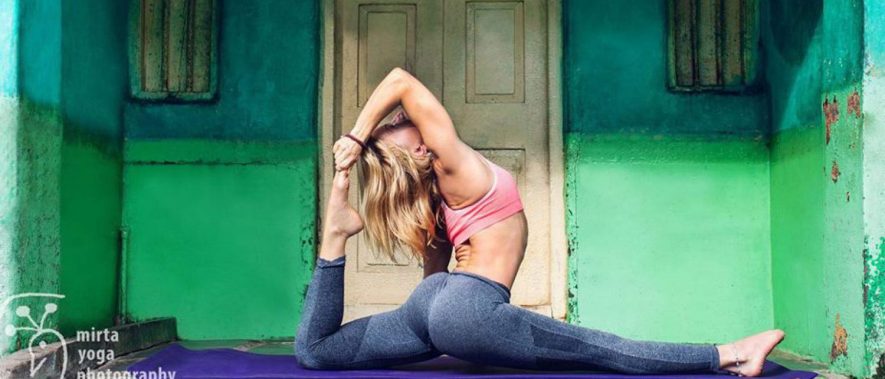
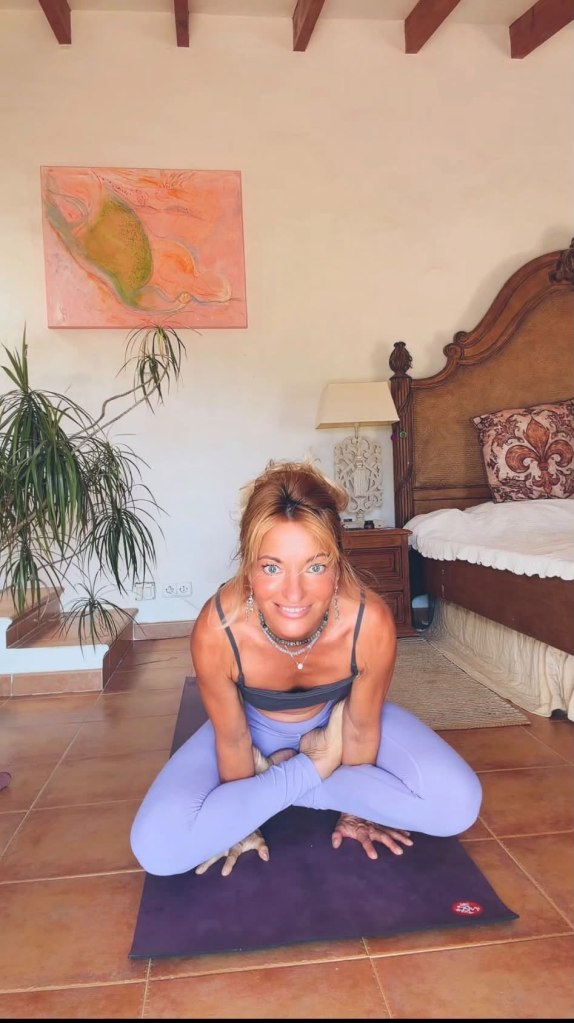
When the ego hijacks the mat.
We often talk about yoga as a journey of letting go of the ego. But what happens when the ego quietly takes over our practice—so gradually that we do not notice until we begin thinking about walking away?
It is surprisingly common for dedicated practitioners to reach a point where they want to quit. This rarely happens because they have lost interest in yoga. More often, it happens because the ego has hijacked the mat.
At first, the change may be subtle. Practice shifts from being an inward sanctuary to becoming an outward performance. We start chasing advanced postures, measuring our worth by how long we can hold a pose, or criticising our bodies on the days they need rest. Yoga becomes another area of life to master, control and optimise.
Then something inevitably changes: we have a difficult day, sustain an injury, notice our bodies ageing, or move through a season when our energy is low. When physical performance begins to stall, the ego takes a significant blow. Unable to meet the standards it has set, the mind may begin to feel like an imposter.
Instead of adapting and practising genuine self-compassion, pride often chooses the easiest escape: stepping away from the mat altogether.
In these moments, we are not necessarily leaving because yoga has stopped serving us. We may be leaving because the ego cannot tolerate a practice stripped of achievement.
If it cannot be “good” at yoga, it would rather not practise at all.
The Bhagavad Gita offers a powerful antidote to this trap: “You have a right to your labour, but never to its fruits.”
When we attach our identity to an outcome—how deep a forward fold is, how impressive a balance looks, or how successful a session feels—we turn a practice of liberation into a prison of performance.
Reclaiming an authentic practice requires humility. It means returning to the mat not to perform handstands or complete the most dynamic flow, but to inhabit Child’s Pose and follow the breath. It means learning to move simply because it feels good to be present in your body, rather than to prove anything to anyone—including yourself.
If you ever find yourself struggling on the mat, feeling frustrated by a lack of progress, or taking a break because you feel quietly defeated, keep these reminders close:
Your practice is not a scorecard; it is a mirror.
Wobbling is not failure; it is part of learning.
Rest is not a retreat from yoga; it is one of the ways yoga teaches you to listen.
The most advanced posture is the one in which your mind remains calm, clear and unattached to the result.
This week, come to the mat ready to offer your effort fully—and to release the need to control what follows.
See you on the mat,
Angela

